When you stay at a cat inn, it’s natural to want to get along with the resident cats. However, a good interaction with a cat is not determined only by being able to pet it a lot or being able to hold it.
A cat approaches, confirms the scent, is petted a little and moves away. It is important that the cat can choose each one for himself. Here, we will explain in an order that is easy to put into practice at a cat inn, from the moment you meet a cat for the first time to when to stop.
- First, ask about the rules of the accommodation.
- If you find a cat, don’t approach it.
- If you hold out your hand, stop just before the cat reaches it.
- Start short from around the cheeks, chin, and head.
- Touch briefly and rest frequently
- Don’t chase the cat if it leaves
- Cuddles and lap rides only when the cat initiates
- Always ask permission for snacks and toys
- How to spend time with the cat that came to the guest room
- Do not monopolize one animal in an inn with many animals.
- Do not make befriending the cat your measure of success
- Reference materials
First, ask about the rules of the accommodation.
How you interact with each other varies depending on the accommodation and cat. Even cats that like people may not like cuddles. Some cats have limited treats, and some cats are recuperating and are not being interacted with.
When checking in, please check the following:
- Where and when you can touch cats
- Are there any cats that are taking a break from being touched?
- Acceptance of cuddles, snacks, and toys
- Rules for when cats enter the guest room or dining room
- Information about hand washing and disinfection
Prioritize information on accommodations for the day of your stay over past experiences you have read on the internet.
If you find a cat, don’t approach it.
When cats meet someone for the first time, they check their appearance, movements, voice, smell, and surroundings. If you approach in a straight line from here, you may narrow the cat’s escape route.
First, stop a short distance away to clear a path for the cat to move through. Instead of standing and looking down, slowly lower yourself down if it’s safe to do so. There’s no need to call out loud or hold your smartphone in front of the cat’s face.
If the cat doesn’t come, it’s possible that he doesn’t want any contact at that point. It’s enough time with resident cats to just look at them.
If you hold out your hand, stop just before the cat reaches it.
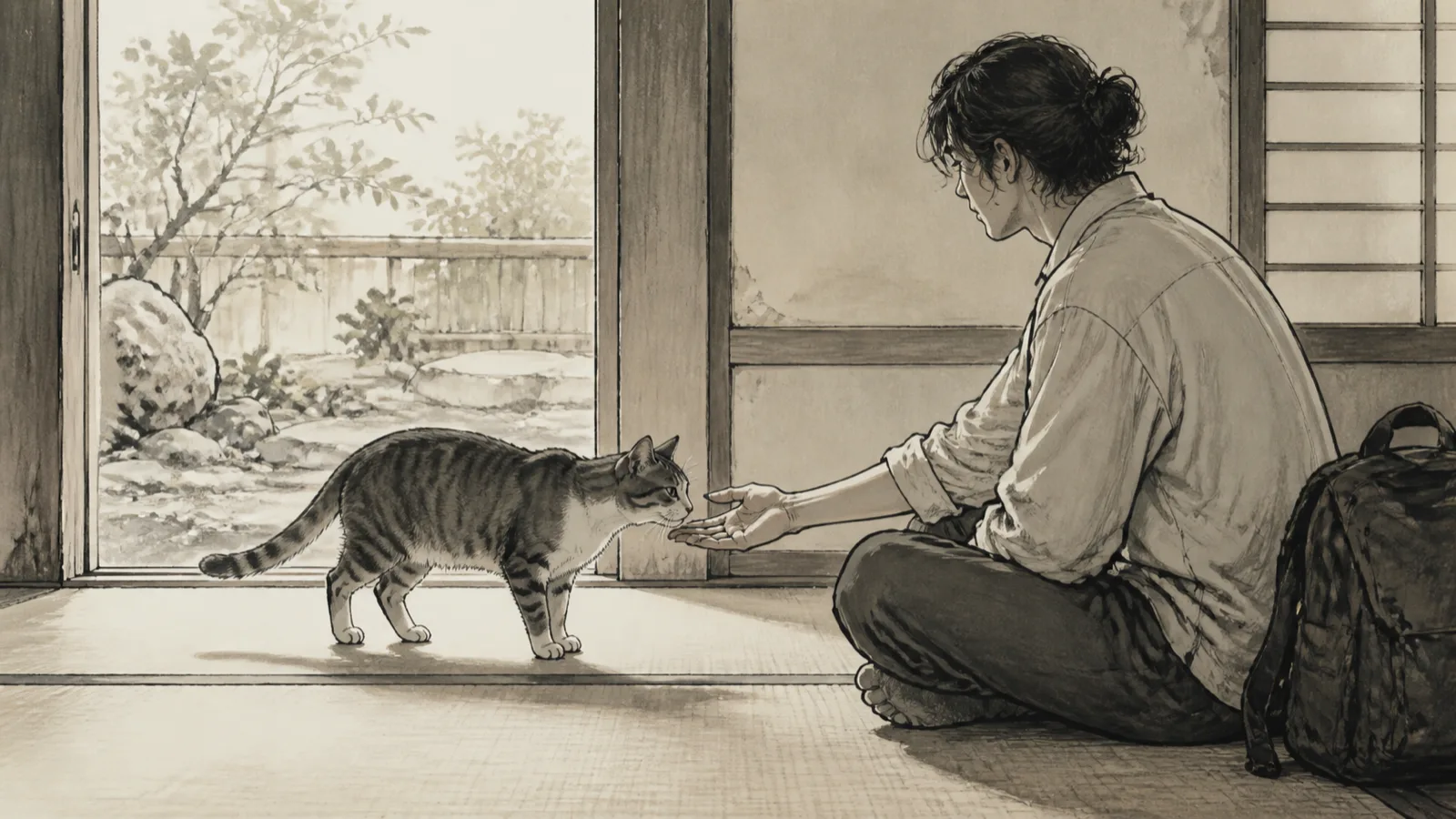
When the cat approaches you, slowly extend your hand from a low position and keep your hand still without pressing it towards the cat. Leave enough space for the cat to approach on its own, sniff your hand, or rub its cheek against it.
Not all cats need the act of reaching out. If the cat avoids your hand, stops, or turns away, move your hand back to give it more space.
Cats Protection also guides you through the process of slowly approaching the cat at the same height as the cat when meeting for the first time, allowing the cat to run away, and letting the cat choose whether to approach your hand or not.
Start short from around the cheeks, chin, and head.
If the cat approaches you and is calm, briefly stroke the cat’s cheeks, chin, head, neck, and shoulders. Gently touch it with your fingertips along the fur.
Many cats dislike being touched on the belly, paws, tail, or delicate parts of the face, so these are unsuitable places to try at a first meeting. However, this does not mean that the head is always safe. Each cat’s favorite place is different.
Stroke once or twice and then stop. If the cat stays where it is, puts its head in your hand, or approaches you, you may be able to continue a little longer. If the cat leaves, do not chase it.
Touch briefly and rest frequently
People want to continue petting cats for a long time, but the amount of time a cat can tolerate varies depending on the individual and the situation. It’s easier to notice changes if you repeat short touches and pauses.
If you see the next change while stroking, stop.
- The cat turns its face or gaze away from the hand
- Its body becomes stiff or lower
- Its ears turn to the side or back
- It moves its tail tip or whole tail strongly
- Its skin twitches
- It looks at the hand or raises a front paw
- It leaves or hides
- It makes low sounds, growls, or threatening sounds
Rather than deciding how the cat feels from one sign, look at what has changed from before. For more information, see Signs a cat may accept touch and signs it may want to be left alone.
Don’t chase the cat if it leaves
The cat leaving does not necessarily mean it dislikes the guest; the cat may have its own schedule, such as drinking water, returning to its bed, checking sounds, or going to another person.
If you chase the cat and try to pet it again, it will erase the “end here” option that the cat has indicated. The cat may approach you again during the same stay. Even if the cat doesn’t come back, consider that you have kept the necessary distance from the cat.
Cuddles and lap rides only when the cat initiates
Even cats that are introduced as “cuddleable” do not necessarily want to be held every time. It is safer not to lift the cat at your own discretion unless you receive clear instructions from the inn.
Even if the cat gets on your lap, do not immediately surround it with your arms and leave it in a position where it can leave. If you need to stand up, do not drop the cat suddenly and consult the staff.
Always ask permission for snacks and toys
Treats may seem like a tool to bring you closer to the cat, but they are related to dietary restrictions, allergies, medications, weight management, and competition between cats. Do not give human food or even cat treats without permission from the inn.
The same goes for cat teasers and strings. Even at lodgings that allow them to be brought in, check where they can play and how to clean up. Please do not leave string-like items in the guest room.
How to spend time with the cat that came to the guest room
In guest-room visit type cat accommodations, cats may stay for a long time without leaving. Still, coming into the room itself is not a signal that you can touch anywhere.
If the cat starts sleeping on a futon or chair, do not insist on interacting with it; spend time quietly in the same space. Keep luggage, medications, charging cables, food, and small decorations away from the cat’s reach. Please follow the inn’s instructions regarding opening/closing the door and going to bed.
Cat Inn Beginner’s Guide allows you to check the process from reservation to checkout.
Do not monopolize one animal in an inn with many animals.
In an inn where multiple cats live, each cat has its own relationships and rest periods. Don’t stop a particular cat for long periods of time or hold them to protect them when other cats approach.
Even if cats get close to each other and appear nervous, it is dangerous for guests to reach into them and separate them. Keep your distance and let the people at your accommodation know if necessary.
Do not make befriending the cat your measure of success
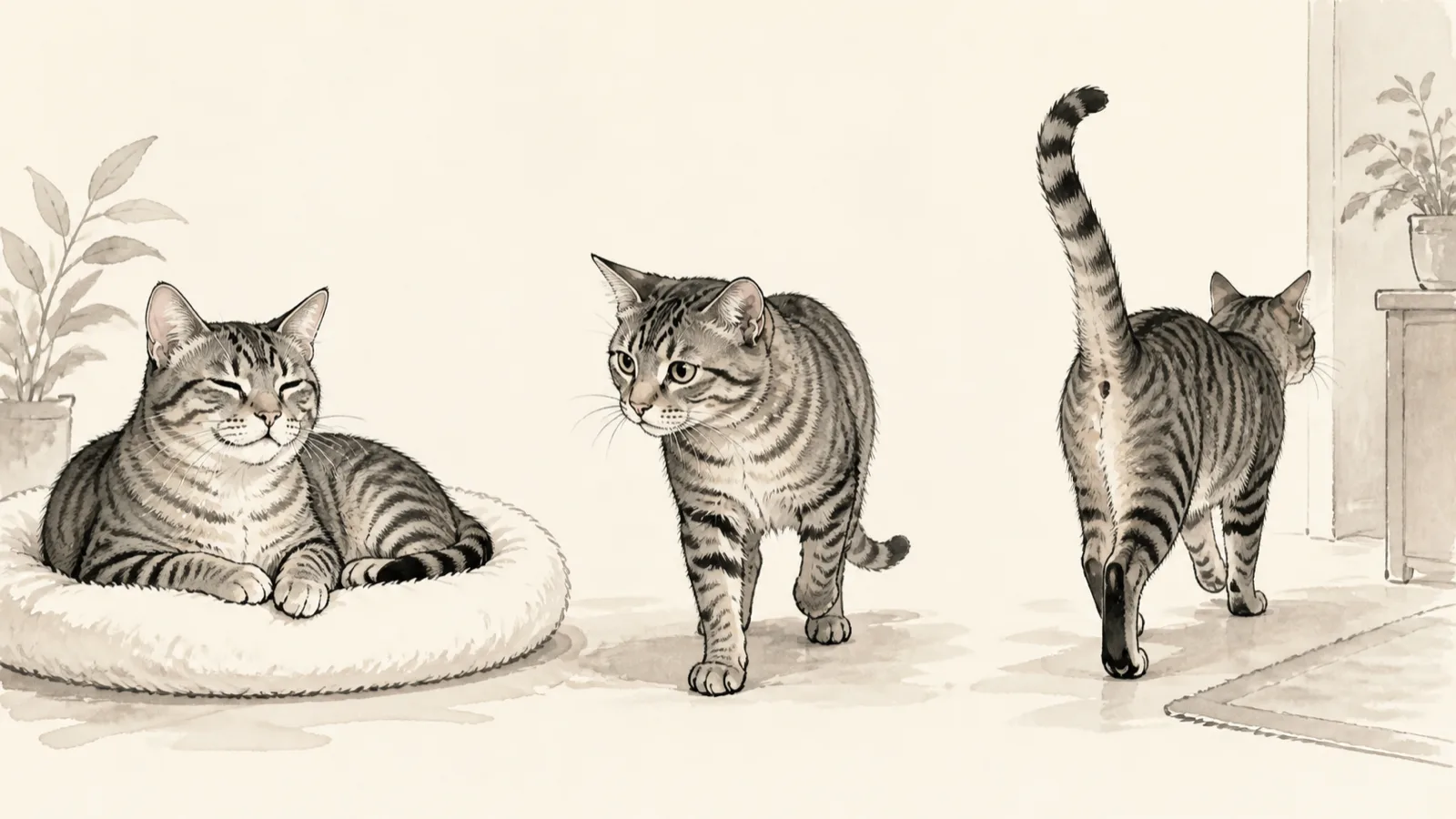
The best experience at a cat inn is not necessarily petting the cats. Watching them walk down the hall, listening to the sound of a cat sleeping in the same room, or seeing them off as they pass through with peace of mind are times that can only be obtained at that inn.
If you allow the cat to choose whether to approach, leave, or rest, you can enjoy the whole inn without worrying about it. Rather than looking for shortcuts to becoming friends with the cat, try making it your goal to be a guest the cat can feel safe around.
Reference materials
- Cats Protection: How to pet a cat
- 2022 AAFP/ISFM Cat Friendly Veterinary Interaction Guidelines
- AAHA/AAFP: Behavior and Environmental Needs
- Blue Cross: Why does my cat lick me?
Note: Each cat’s personality, health condition, and location that can be touched differs from cat to cat. Prioritize the information provided on the day of the inn from this article, and if you notice anything unusual about the cat, please let the innkeeper know without making any judgments on your own.