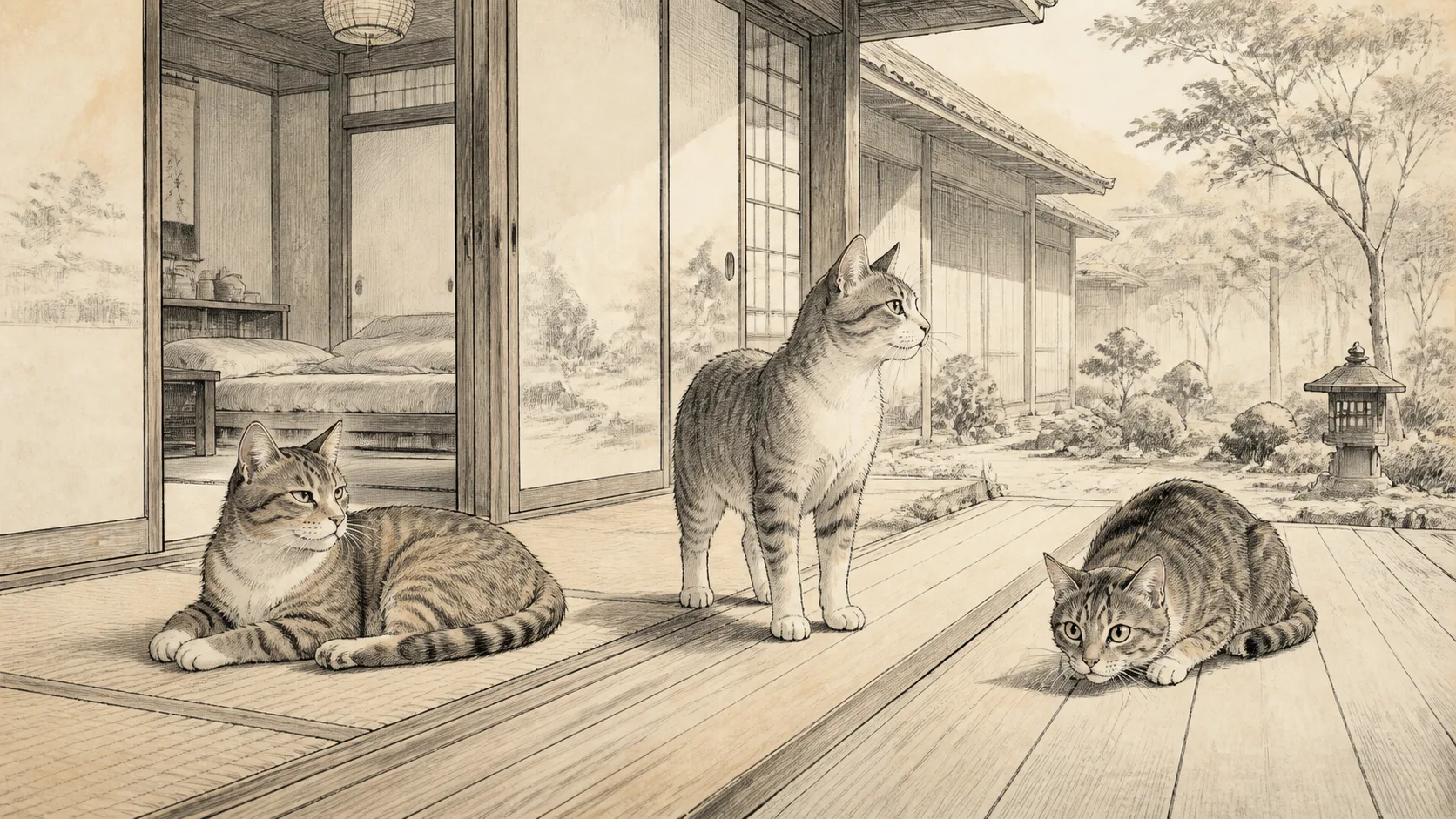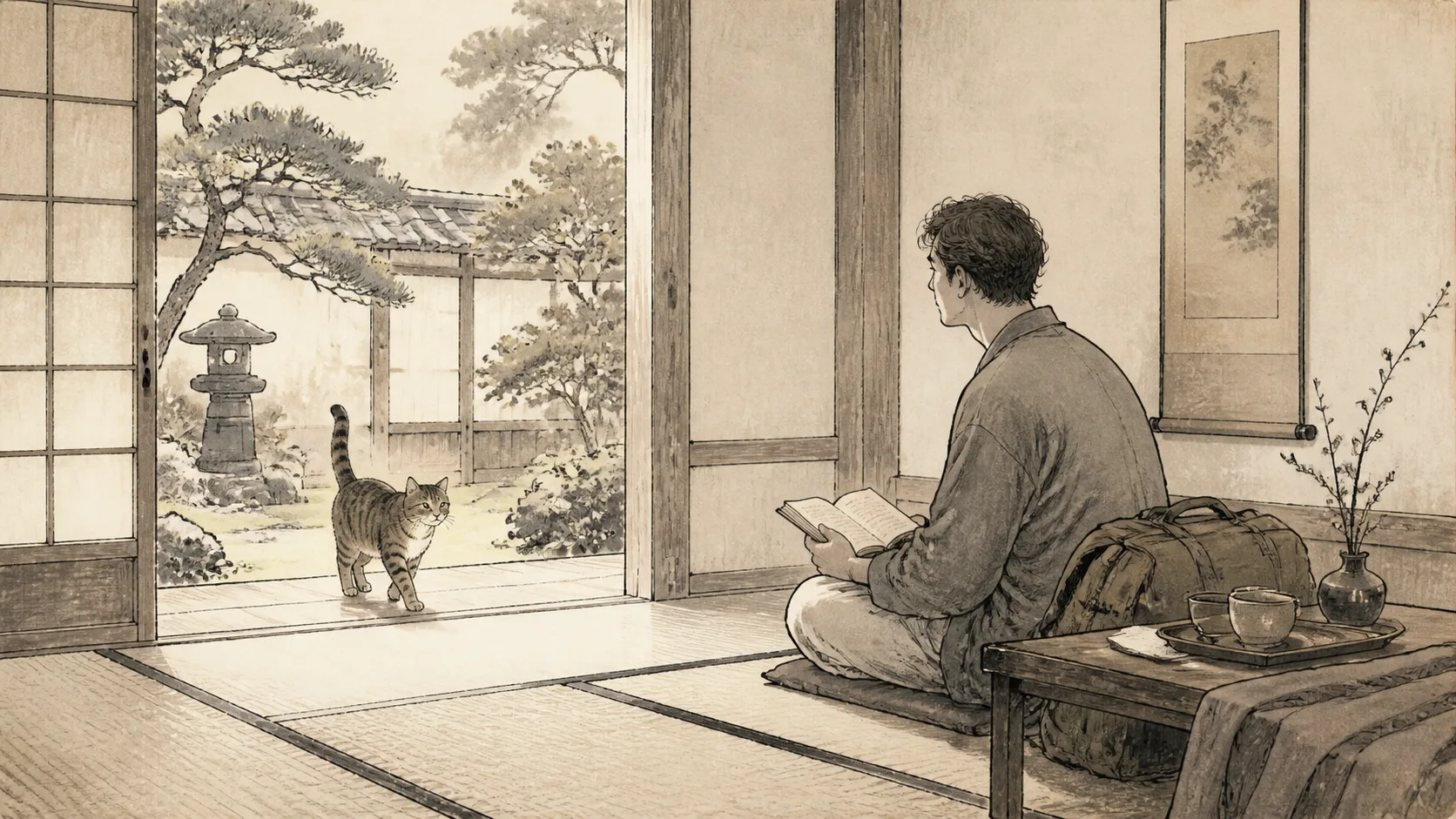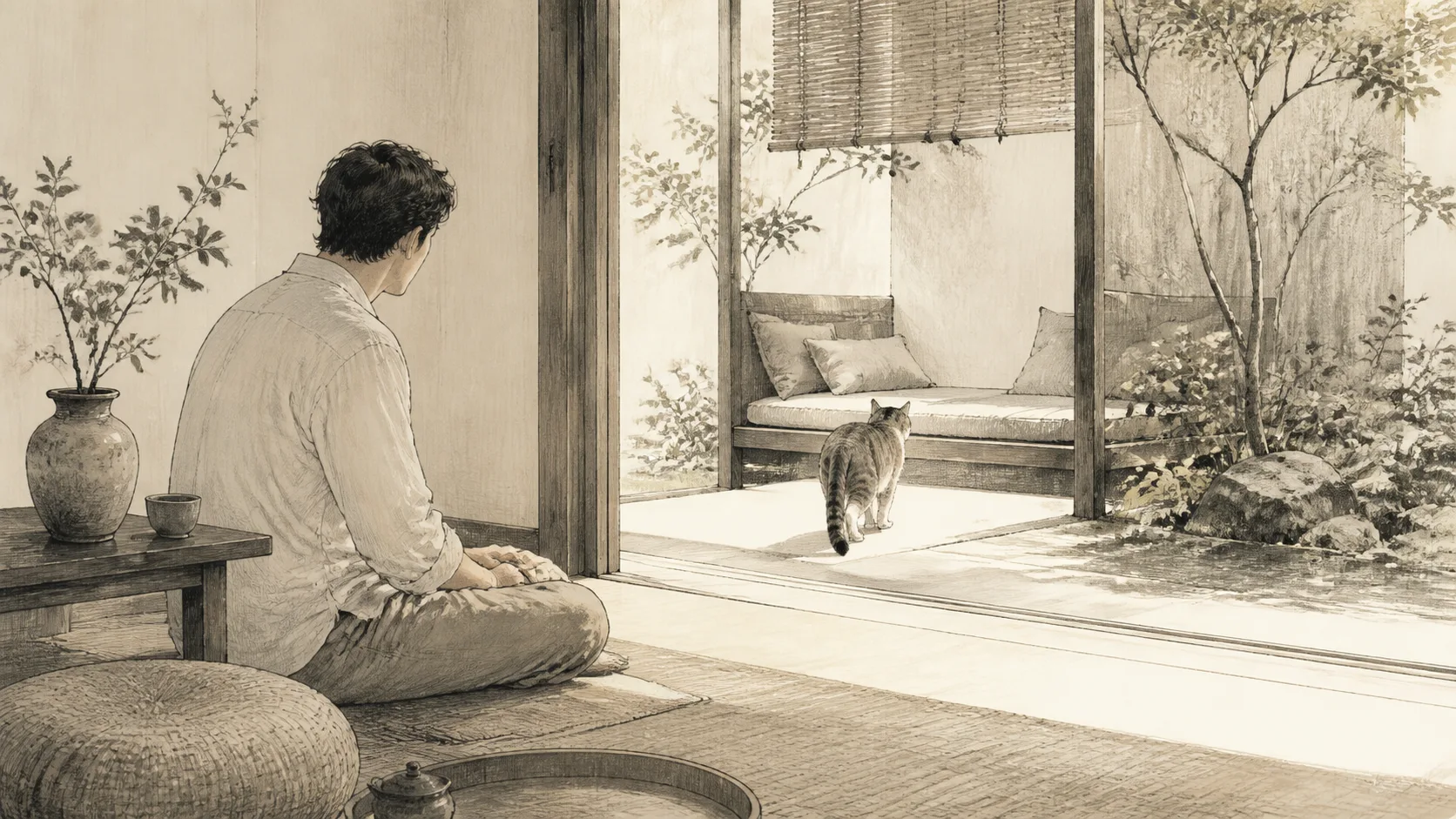
If a cat that was nearby suddenly stands up and leaves, you may feel that you have done something unpleasant or that you are being disliked. However, cats leave for a variety of reasons, including rest, noise, eating, patrolling, and moving to another location.
Rather than guessing the reason, it is important not to interfere with the choice to leave.
- Once the cat leaves, the contact ends.
- You don’t have to assume the cat dislikes you.
- Do not call names repeatedly
- Do not get ahead of the cat to take photos
- Do not touch hiding places
- If the cat wants to leave the guest room
- When the cat gets off your lap
- Even if the cat returns immediately, treat it as a new choice.
- Being able to let the cat leave is part of a good environment.
- If injury or abnormality appears to be the reason
- Summary
- Reference materials
Once the cat leaves, the contact ends.
If the cat turns around and starts to move away, take your hand back. Instead of adding a final pat on the back or tail, clear the path to see them off.
Study on human-cat interactions also shows the importance of allowing cats to choose whether to join or leave the interaction, rather than following them when they try to leave.
You don’t have to assume the cat dislikes you.
Possible reasons why the cat may leave include:
- Return to the cat’s usual sleeping place
- Head to eat or go to the bathroom
- Check the sounds in the hallway
- Found other cats and staff members
- The stimulation of being stroked is now sufficient.
- Hot, cold, sleepy
- Want to keep a distance from people.
Guests do not know their usual behavior patterns. Do not decide on a single reason; simply accept that the cat is choosing to leave this place for now.
Do not call names repeatedly
Even if the inn allows you to call the cat’s name once, do not repeatedly call to the departing cat or try to make it turn around. Also avoid tapping the floor, snapping your fingers, and clicking your tongue.
Even if the cat turns around, it does not necessarily mean they want to return. Do not approach them again just because eye contact was made.
Do not get ahead of the cat to take photos
If you move where the cat is heading and take a photo from the front, it may block the cat’s path. Avoid following the cat from behind with your smartphone.
Take a short photo if you can from the spot, and stop when the cat goes behind cover or into a cat-only area. Please check Photography Etiquette at Cat Inn regarding flash and eye guidance.
Do not touch hiding places
Do not peek under furniture, boxes, beds, shelves, or at cats that have moved to high places, and do not insert your hands or camera into them. It may be a place the cat chooses to soothe itself.
Even if the cat hides and does not come out, do not lure them out with treats or toys, and follow the inn’s instructions.
If the cat wants to leave the guest room
If the cat goes near the door, looks at the door, or meows during guest-room visits, please follow the inn’s exit procedures. To prevent the cat from escaping or entering other rooms, do not open windows, entrances, or hallway doors at your own discretion.
When you check in, make sure you know how to contact the inn if you want to take the cat out. Please also see How to spend time at an inn where a cat comes to the guest room.
When the cat gets off your lap
When the cat on your lap stands up, do not surround it with your arms, but check your feet and luggage to create space for it to get off. Even if the cat’s claw gets caught in clothing, do not pull the cat’s paw.
People should also not stand up suddenly until the cat has completely dismounted and left. If you are in trouble, please call the inn staff.
Even if the cat returns immediately, treat it as a new choice.
Cats that leave may return a few minutes later. Do not assume it is okay to continue touching the cat just because it was touched earlier; instead, check the cat’s whole body and the inn’s rules again.
If the cat is just passing by, do not touch it, but if it shows signs of interaction, such as rubbing against you, respond briefly. How to greet a cat when it approaches you may be helpful.
Being able to let the cat leave is part of a good environment.
It is necessary for cats to be able to freely separate from guests and rest in a high place or a quiet place so that they are not forced to interact. You can respect the cat’s life better if you don’t just count success as having been in your lap for a long time or coming back many times.
Being able to gently see off the cat as it leaves is also an appropriate interaction.
If injury or abnormality appears to be the reason
If you notice any signs of health problems, such as limping, unnatural breathing, or constant focus on the same spot, do not chase it to touch it; report what you see to the staff.
Rather than diagnosing the cat as “it’s supposed to be painful” or “it’s sick,” tell the staff the time, place, and movement and leave it up to the owner to make the decision.
Summary
A cat leaving is not an evaluation of rejection, but the fact that they chose a different behavior at that point. Stop your hand, do not call back, do not get ahead of the cat, and do not enter a hiding place. Accept that the cat can complete the interaction on its own as an important part of the interaction.
Please also see Cat’s signs that you can touch them and signs that you should leave them alone.
Reference materials
- Practical human–cat interaction guidelines study
- 2022 AAFP/ISFM Cat Friendly Veterinary Interaction Guidelines
- Cats Protection: Cats hiding
Note: Guests cannot judge the cat’s daily behavior or health condition. Please inform the inn staff of any changes you notice.