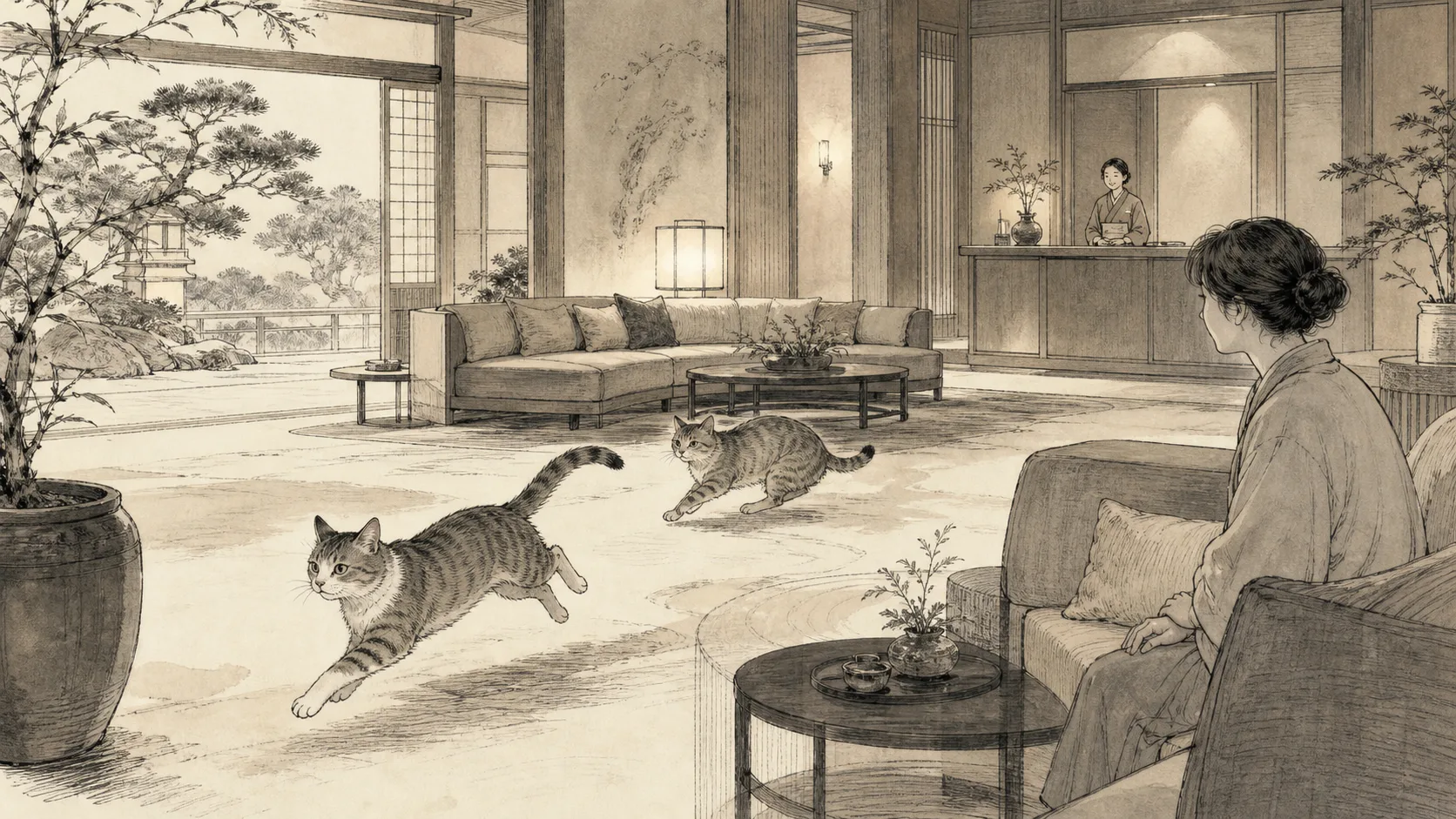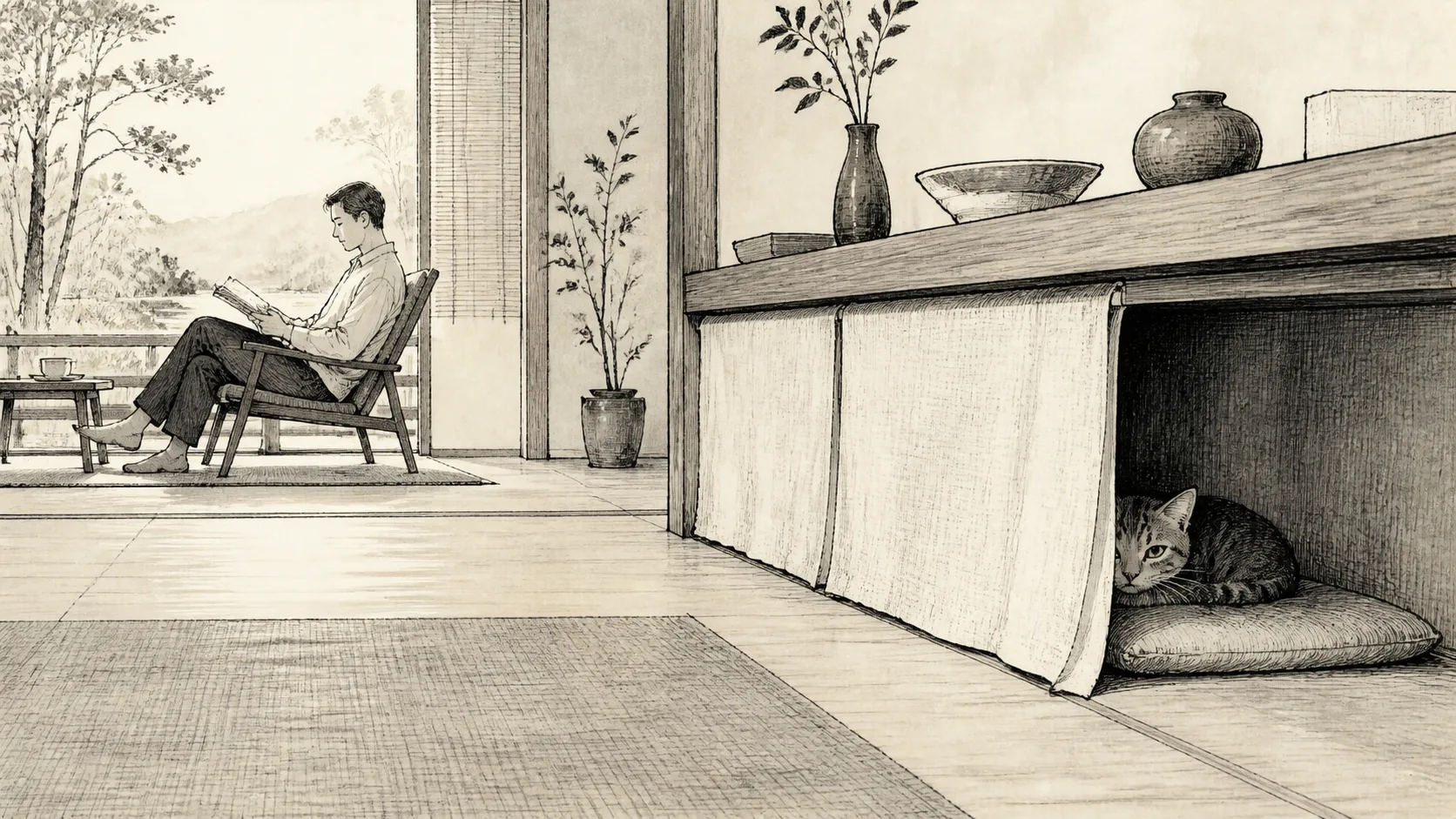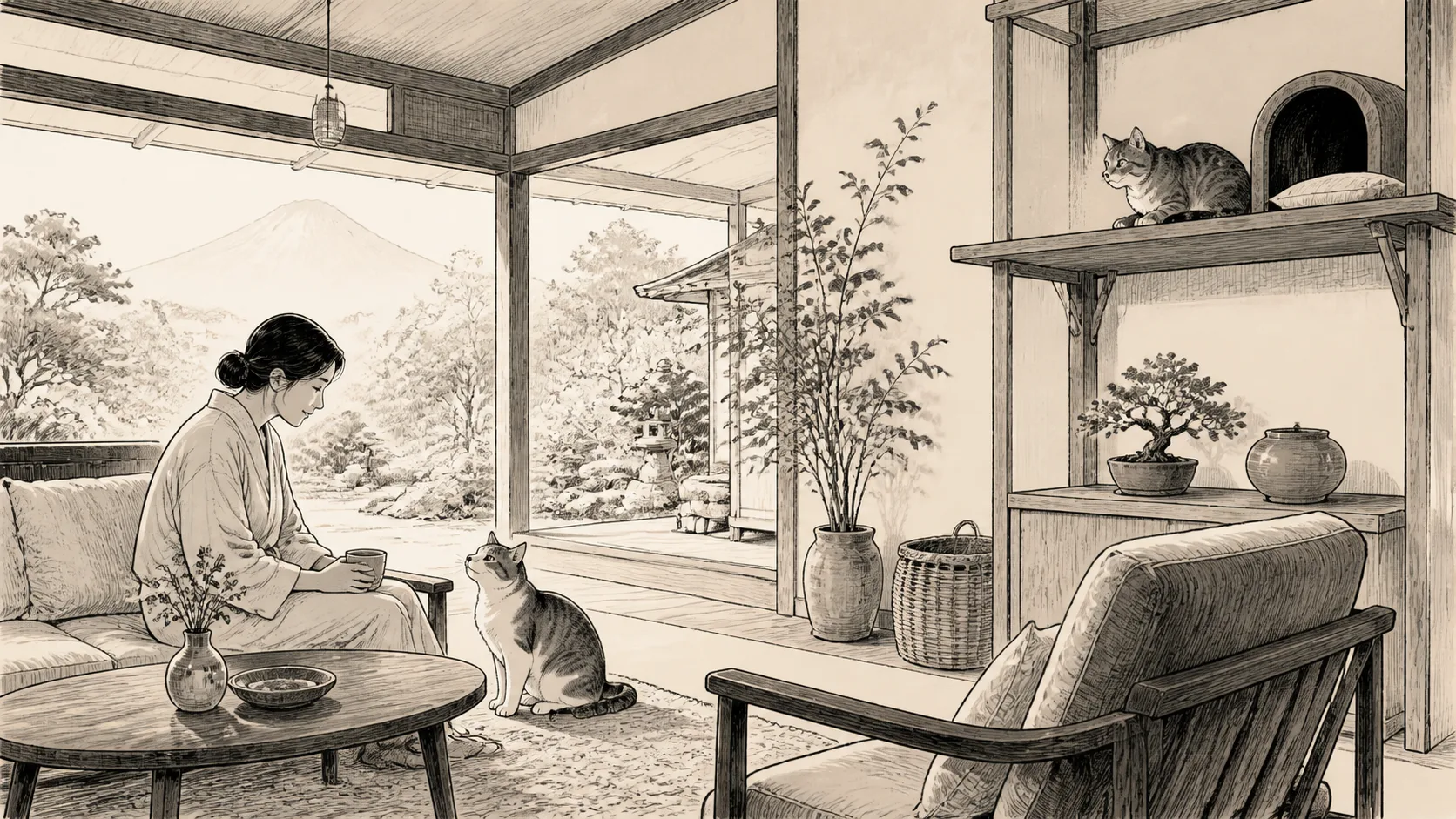
Even if cats live in the same accommodation, there are cats that come close to people and cats that observe from a distance. Rather than fixating on labels such as “friendly” or “timid,” look at each cat’s condition on that day and the choices each cat makes.
There is a limit to how close a cat can get
Even cats that come from you have different preferred contact locations and times. Touch your cheek briefly and stop after a few seconds. Do not chase if they leave, and do not hug them even if they sit on your lap.
Please do not naturally ask for cuddles, photos, or treats just because the cat is used to people.
If you notice any changes while you are touching them, such as turning their head away, lowering their body, moving their tail strongly, or changing the direction of their ears, stop. It is important not to continue until there is a strong refusal, but to return the choice at the point of small change.
Cautious cats should only be observed.
Do not approach cats that are in high places, under furniture, or in the back of the room, and keep your line of sight and path clear. Avoid calling their name, inviting them with treats, or inserting a camera.
I accept being seen from a distance as part of my stay. Please also check the response to When the cat is hidden.
Immediately after arrival, everyone waits.
Immediately after arrival, the sounds of people, footsteps, and the smell of luggage increase all at once. Even if the cat approaches, everyone should wait quietly, one at a time, without reaching out. Please do not leave luggage in the guest room and ensure that the cat has an escape route.
There is no need to place personal items in order to “get used to the smell” for cautious cats. Store your luggage in the location designated by the inn and make sure the cat can check it from there.
Changes depending on the day
There are days when a normally friendly cat takes a break, and other days when a cautious cat approaches the guest. We prioritize the whole body in front of us and the guidance for the day over past reviews and staff introductions.
If the cat changes its behavior, reduce contact without assuming that its personality has changed. Please convey any health concerns to the staff.
Read the introduction as a guide.
Even if the inn’s introduction says that the cat is a “spoiled child” or “loves cuddles,” your reaction will vary depending on your health, sleepiness, temperature, and the number of people around you. Introductory text is a normal trend and does not guarantee contact with the guest.
On the other hand, even if a cat introduced as “shy” approaches, it will not suddenly close the distance and will maintain the cat’s pace. Do not try to elicit unusual behavior and maintain a position where you can naturally leave.
Don’t compete for popularity
Do not compare cats by how long they spend with guests, how photogenic they are, or how often they sit on a guest’s lap. Do not keep calling only particular cats or try to make cautious cats get used to you; leave all cats with access to a place to rest.
Adjust the photo to the distance
Cats that approach are photographed from a natural position at hand, while cautious cats are photographed from a sufficient distance away. Avoid looking into hiding places with a telephoto lens, occupying the area in front of the cat’s bed, and making noises to get the cat’s attention. Even if you can’t take a picture, accept it as a result of the cat’s choice.
If you remember your trip not by the number of times you were able to interact with the cats, but by whether you were able to stay in the same space with the cats calmly, you will be more satisfied with the accommodation, even though each individual cat is different.
Summary
Respond briefly to cats that approach, and give distance to cautious cats. Leaving both parties with the choice to start and end interactions is a way to spend time at a cat inn that respects individual differences.
Reference materials
Note: Guests should not diagnose the cat’s personality or health, but give priority to providing information about the accommodation.