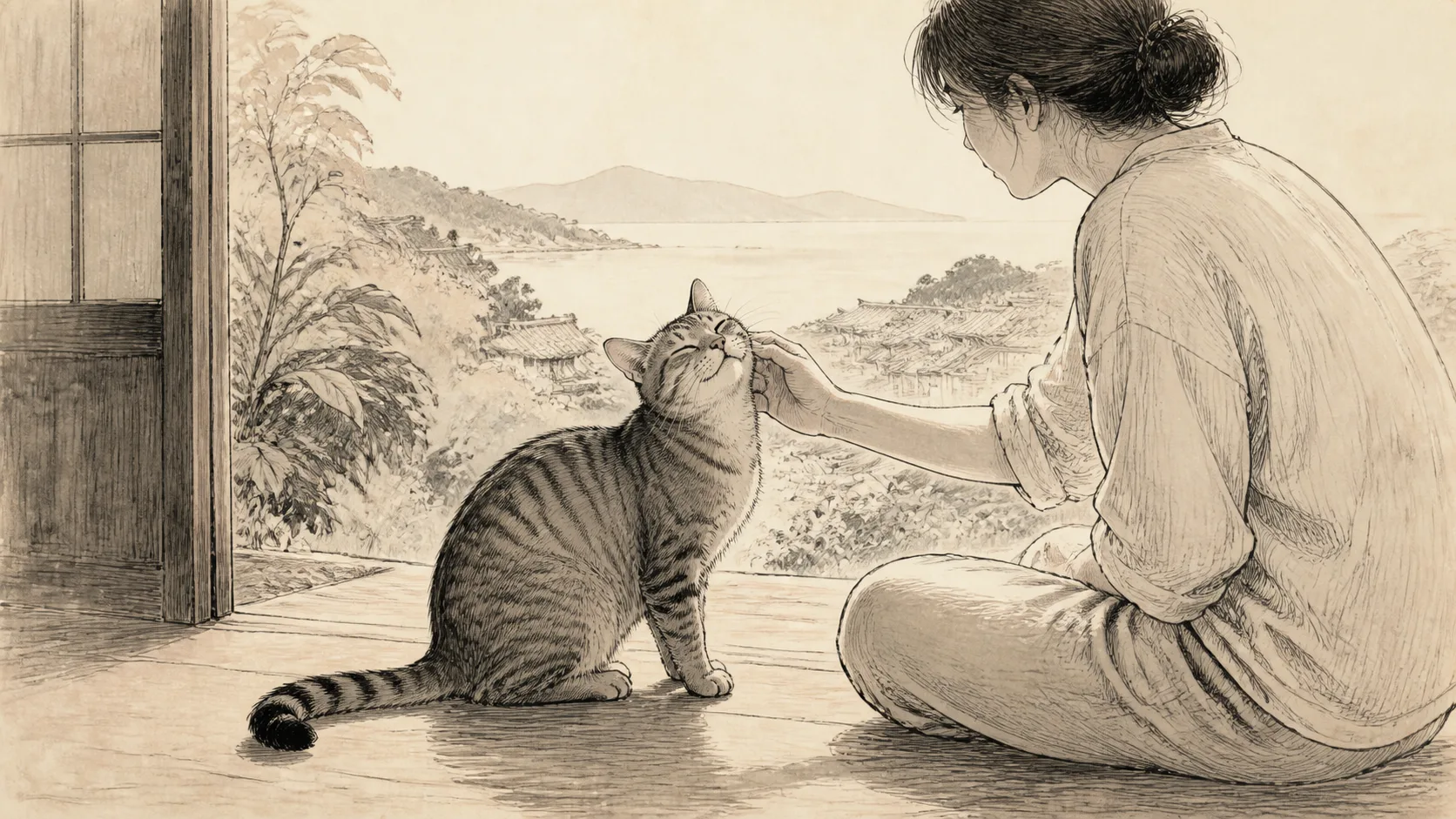
Cats generally have areas that tend to be easily touched, and areas where individual reactions vary widely. However, just remembering the body map does not tell you whether the cat wants to be touched right now.
At a cat inn, we first ask for permission from the inn, check on the cat’s approach, and check on the cat’s general condition, and if we do touch them, we start short.
- At first, it starts around the cheeks and base of the ears.
- “Easy to like” is not common to all cats
- Don’t touch the cat’s belly even if it is visible
- Be careful at the base of the tail
- Do not grip the legs, paws, or tail.
- There are big differences in the back of each cat.
- Stop after 3 to 5 seconds
- Stroking strength and direction
- Decision to finish without touching
- Summary
- Reference materials
At first, it starts around the cheeks and base of the ears.
AAFP/ISFM guidelines introduces the head and neck, especially around the scent glands on the face, as preferred contact areas.
If the cat brings its cheek or head to your hand and the inn allows touching, gently touch the cheek, the base of the ears, and around the chin once or twice along the fur. Without swinging your hand down from above, slowly bring it into the cat’s field of vision.
“Easy to like” is not common to all cats
Even cats who like cheeks may not want to be touched by someone they have met for the first time, when they are sleepy, or on days when they are not feeling well. Even if you petted the same cat in the past, that doesn’t give you permission today.
Before you touch the cat, check the signs that the cat allows you to touch it and do not touch it unless the cat comes.
Don’t touch the cat’s belly even if it is visible
When a cat lies down and shows its belly, it may indicate that it is safe, but it does not necessarily mean that it is asking for a pat on its belly. The belly protects vital organs, and sudden touching can lead to a defensive reaction.
When you first meet the cat, don’t touch its stomach and just watch him sleep. Do not change the cat’s posture or lift its front paws for photographs.
Be careful at the base of the tail
Some cats may raise their hips when you stroke the base of their tail, but this does not necessarily mean they are comfortable. Research has also reported a tendency for negative behavioral responses to increase when the base of the tail is touched.
Do not try touching this area on a cat you are meeting for the first time. Even if the inn provides individual guidance, keep contact brief and watch the cat’s reaction.
Do not grip the legs, paws, or tail.
Legs, paws, and tails are necessary for cats to adjust movement and distance. In addition to touching, avoid restraining or lifting these areas, or turning a paw over to inspect its pads.
If the cat climbs onto your lap and gets its claws caught in your clothing, do not pull the cat’s paw; contact the inn staff.
There are big differences in the back of each cat.
A long stroke from head to tail is common, but there are individual differences in the reaction to the back and flanks. Stop if you notice any changes in the cat, such as rippling skin, moving tail, or suddenly looking at your hands.
It will be easier to notice changes if you start short strokes from around the cheeks instead of stroking the whole body at once.
Stop after 3 to 5 seconds
A study that tested guidelines for interacting with cats involved pausing every few seconds to see if the cat wanted to interact again.
- Wait for the cat to approach
- Briefly touch around the cheeks.
- Withdraw your hand
- See if the cat approaches again
- If the cat moves away, freezes, or looks at your hands, stop.
Rather than stroking a set number of times, give the cat a chance to end the interaction each time.
Stroking strength and direction
Rather than rubbing finely with your fingertips, use your relaxed fingers or the back of your hand to slowly stroke along the fur. Avoid stroking against the fur or pinching the skin, or holding the cat’s face between your hands.
Even if the cat presses its body firmly, it does not necessarily want you to increase the force; maintain the same gentle force.
Decision to finish without touching
Even if the inn allows petting, do not touch the cat when it sleeps, eats, hides, or moves away. It is more important to be able to choose when not to touch than to know where you can touch.
Please also see How to deal with the cat when it leaves.
Summary
When meeting for the first time, the areas around the cheeks and the base of the ears tend to be relatively easy to accept, but each cat’s preference and condition at the time takes precedence. Touch briefly and stop, avoiding the belly, legs, tail, and base of the tail. Let the cat choose whether to continue or not.
Reference materials
- 2022 AAFP/ISFM Cat Friendly Veterinary Interaction Guidelines
- Practical human–cat interaction guidelines study
- AAFP/ISFM Feline Environmental Needs Guidelines
Note: Reactions may vary depending on pain and health condition. If you feel anything unusual, please report it to the inn staff without touching it.