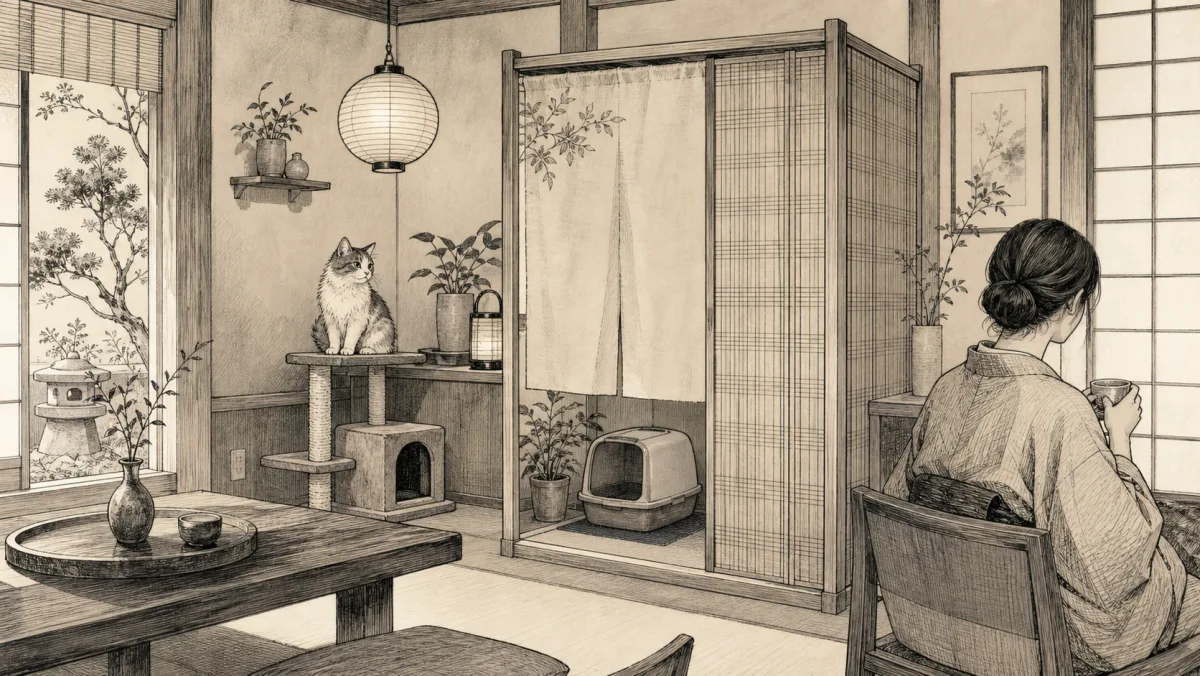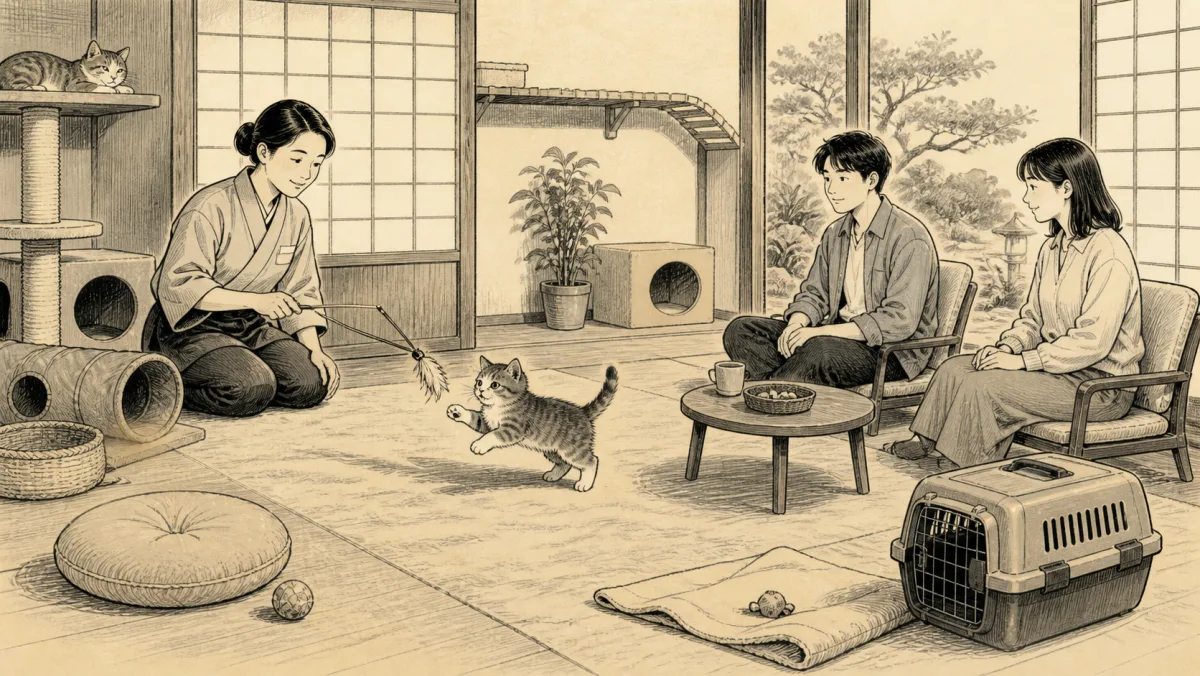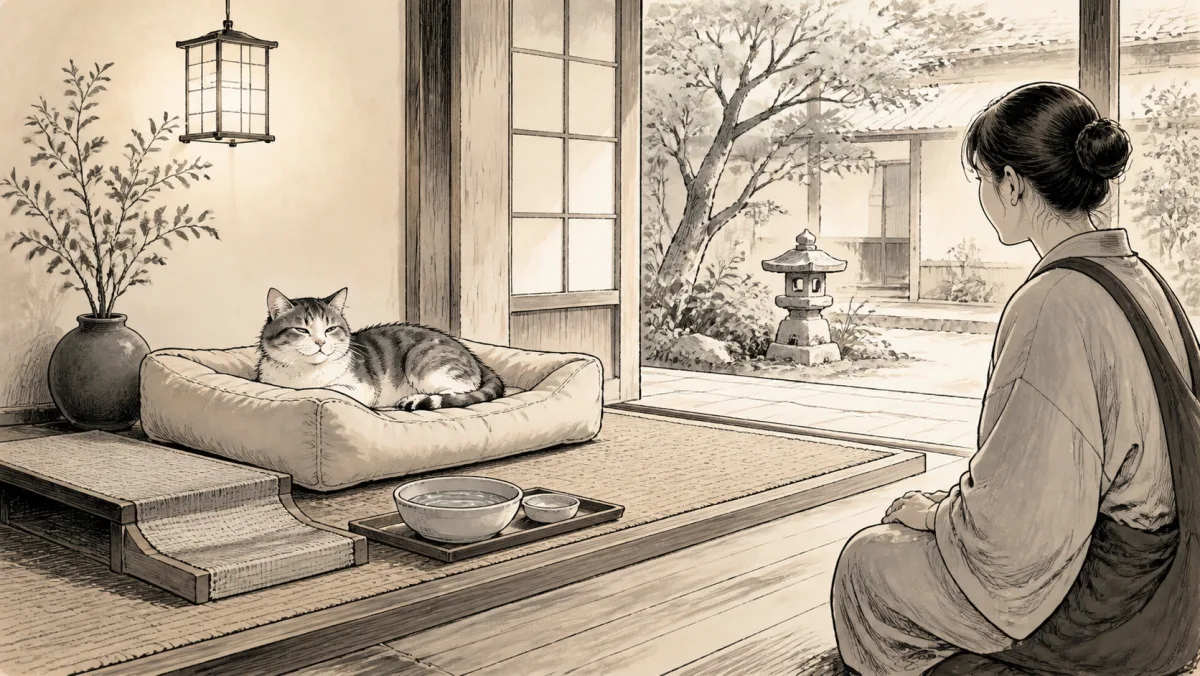
When a resident cat who has been watching over the inn for a long time gets older, the amount of time he sleeps, how he moves, how he is touched, and how often he goes out in public may change. We respect the distance that the current cat chooses, rather than basing it on its previous energetic appearance.
- Age alone does not determine the condition.
- Don’t turn your sleeping time into serving customers
- Wait for them to move without picking them up
- Clear the path to water, food, and toilets
- If you touch it, keep it short and watch for changes.
- When you notice a change
- Don’t let not being able to see each other make your retirement a failure
- Do not pry into the medical condition or “end”
- Support in ways other than meeting
- Summary
- Reference materials
Age alone does not determine the condition.
A cat’s life stage is a guide for health management, but even cats of the same age can have different behaviors and physical conditions. Guests don’t diagnose themselves by saying, “I can’t move because I’m old,” or “It hurts because I’m old.”
If you notice that your child looks different than before, please let the staff know about your evaluation or concerns before posting them on SNS.
Don’t turn your sleeping time into serving customers
Avoid repeatedly calling the cat while it is sleeping, shaking its body, and taking pictures close to its face. Opening your eyes is not necessarily a signal that you can touch them.
Even if you have been able to hold a cat in the past, we will prioritize the current rules and the cat’s reaction.
Wait for them to move without picking them up
Older cats may have changes in their joints, vision, and hearing. Even if you intend to take a resident cat down a step or onto a chair, guests will not pick it up without permission.
If the cat is stopped in the aisle, do not step over it; wait for someone or call a staff member.
Clear the path to water, food, and toilets
Low steps, non-slip floors, and nearby access to water and a litter box help senior cats live a better life. Do not leave luggage, shoes, or tripods in the aisle, and do not move the steps or beds set up by the inn.
If you touch it, keep it short and watch for changes.
If the inn allows it and the cat approaches you, touch it briefly from a position where it can be seen. Don’t keep touching them to check for changes in their skin, bones, or coat.
If the cat stiffens its body, turns its head away, moves its tail, or walks away, finish immediately.
When you notice a change
If you notice that a resident cat is not eating, drinking water, has difficulty walking, is breathing differently than normal, keeps crying, or is using the restroom differently, please tell the staff the location and time.
We do not interfere with medication, meals, hospital visits, or give human medicine or health foods.
Don’t let not being able to see each other make your retirement a failure
Increasing the amount of time an elderly cat spends away from the public or retiring from customer service is the inn’s decision to protect the cat’s lifestyle. Even if you want to see the cat one last time, we will not call the cat or ask for photos.
Do not pry into the medical condition or “end”
We do not ask about the inn’s undisclosed illness, life expectancy, or hospital destination, nor do we make assumptions based on appearance and post them on SNS.To the host, a resident cat is family first, not just a customer service person. Even if there are fewer updates, do not speculate about illness or death and wait for official information.
When posting a photo of your memories, please include the date to avoid misunderstandings about the current appearance. Avoid writing to current guests that they can expect the same interaction as before, such as saying, “We used to be able to do it before.”
Support in ways other than meeting
Choosing goods and photo books sold by the inn, enjoying meals and hot springs other than cat-related ones, and leaving good reviews about old memories are also ways to support the inn. We do not unilaterally send sympathy gifts or medical food unless requested by the inn.
Even if you can no longer see the cat due to rest or retirement, if you can find a reason to stay at the inn, you can support the life of the inn without asking the cat to serve you. Please also refer to 7 Ways to Support Cat Inns.
Summary
The most important consideration you can give to an elderly resident cat is not to expect the same customer service as before. Maintain a quiet bed and travel route, and only accept the brief moments when they approach you.