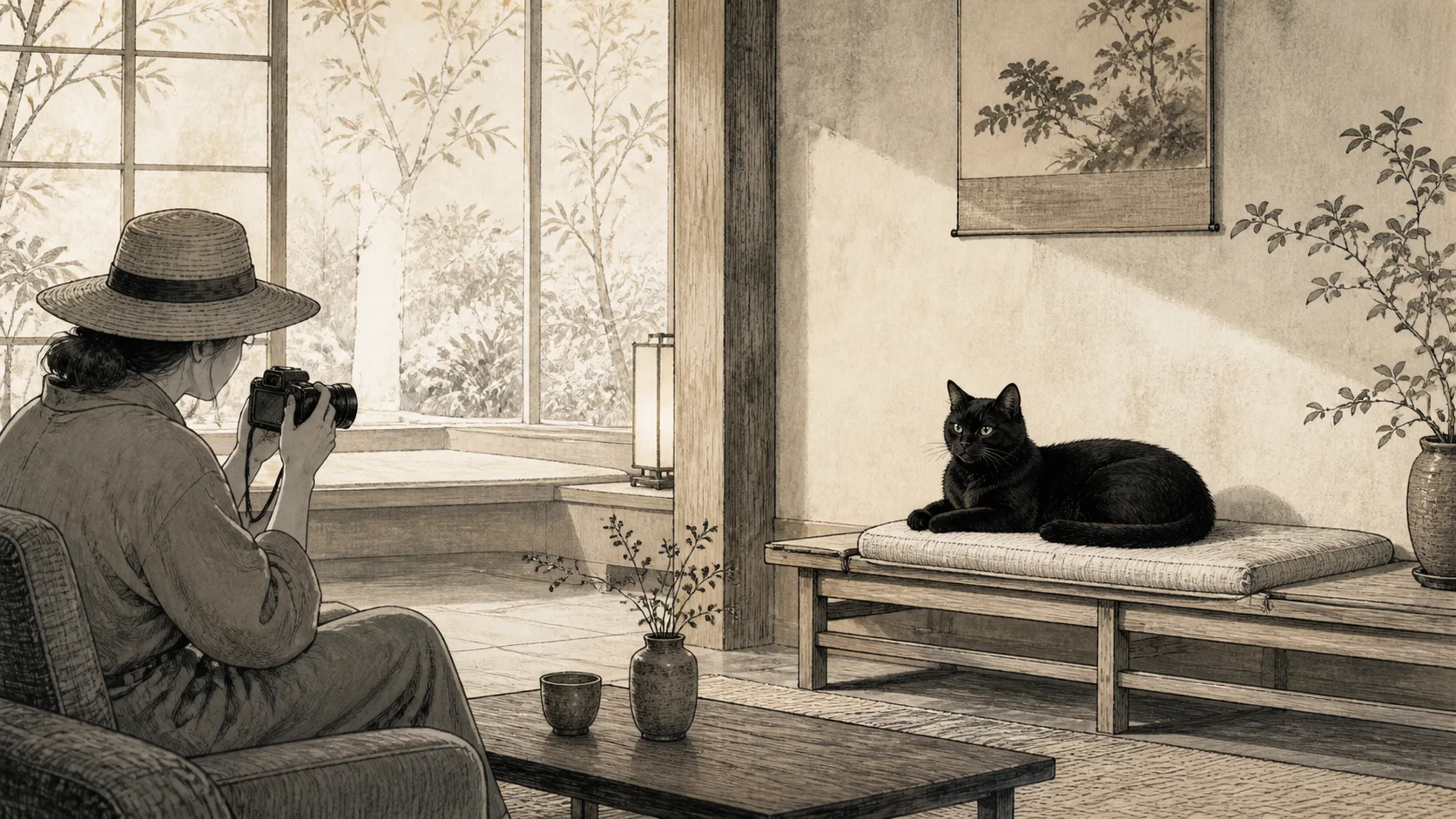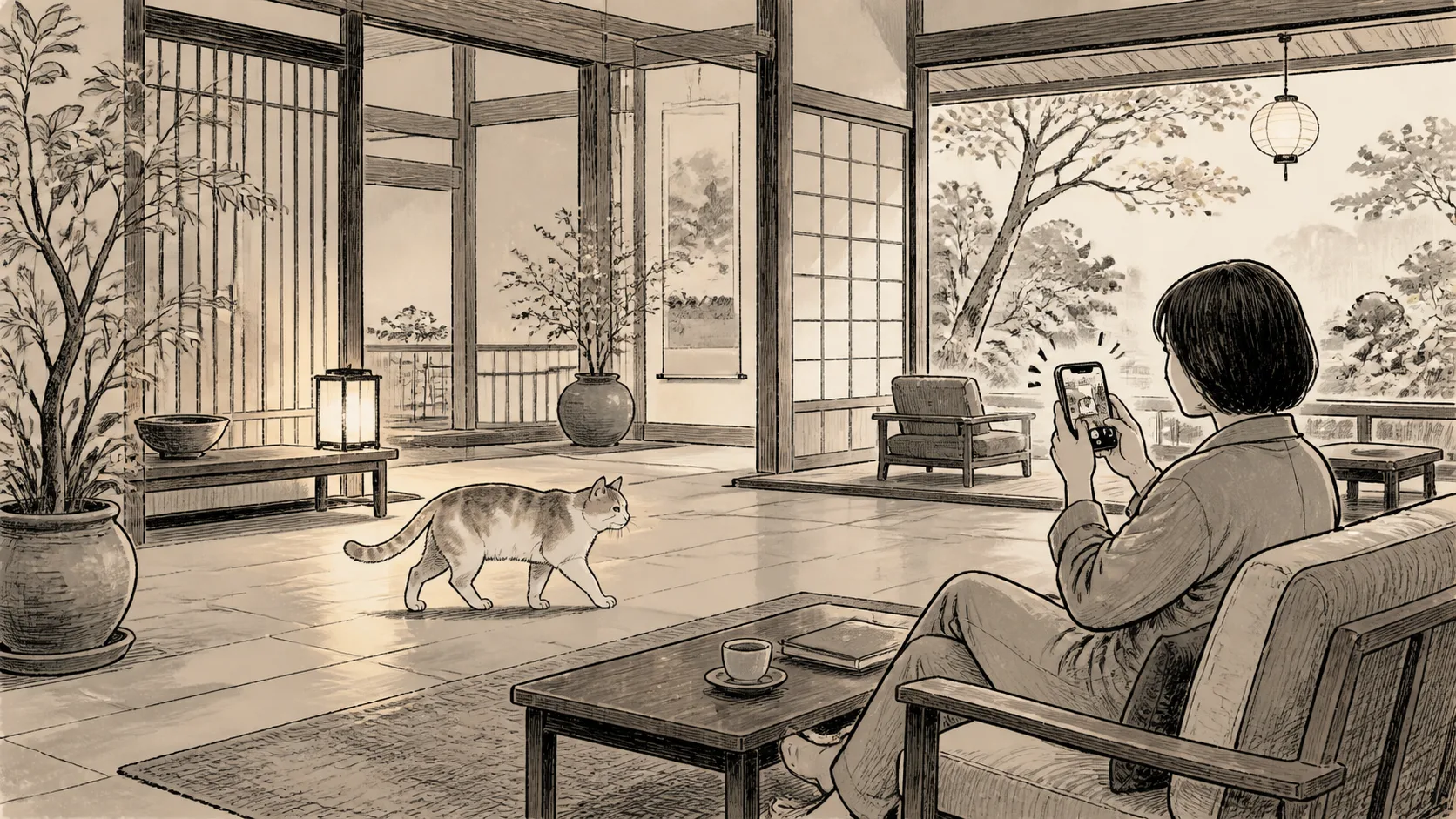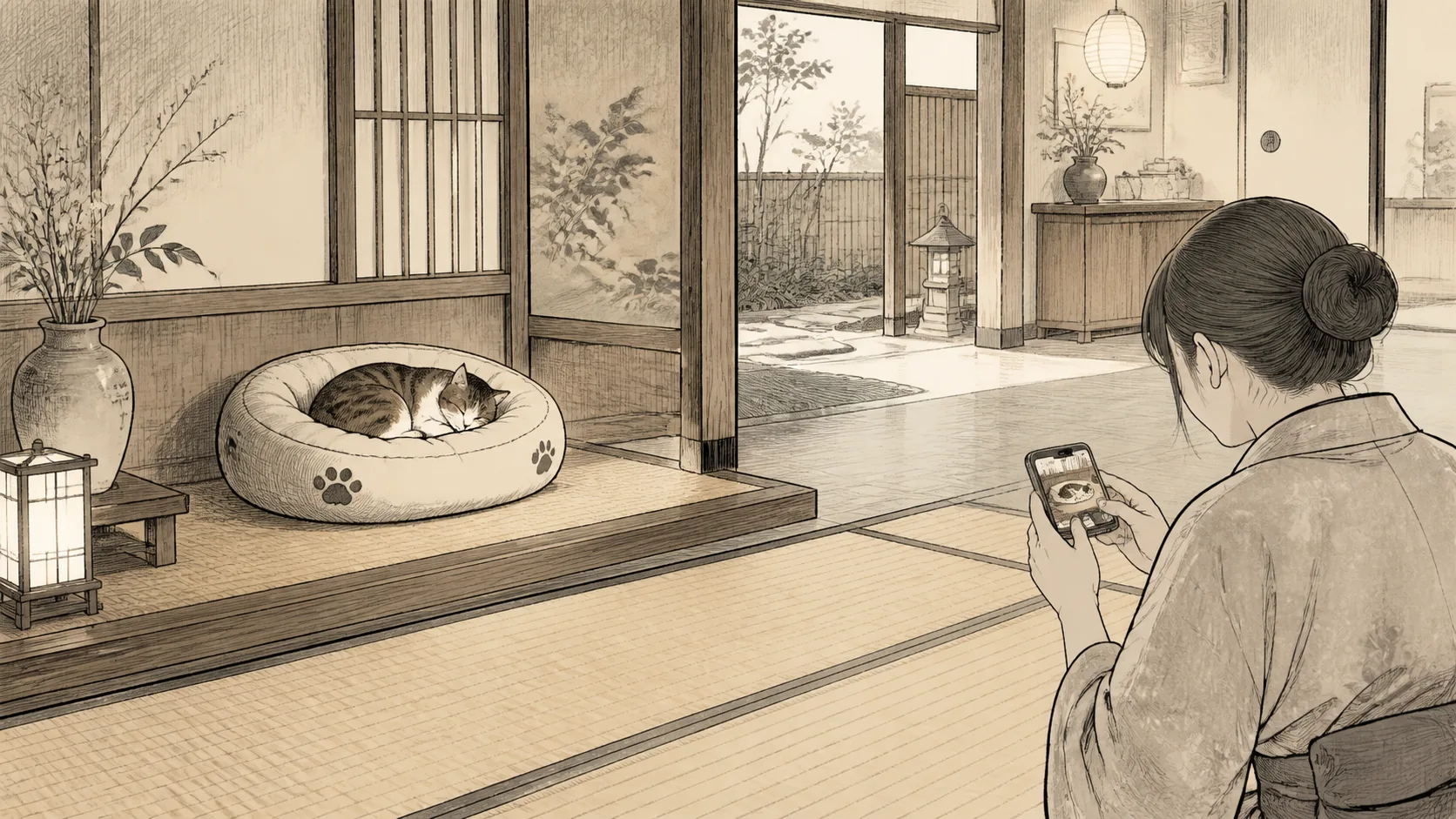
This article is a guide for photographing a white resident cat living in a cat inn without moving it from its bed or place. In order to make the coat color look beautiful, cats are not exposed to strong light.
If you take a photo of a white cat next to a bright window or on white bedding, the fine shadows in the fur may disappear. The basic rule is that the person changes the angle and exposure, but the cat’s location remains the same.
- Choose softer brightness than direct sunlight
- Find a neutral background
- Focus on the face and make it a little darker
- Don’t just look at the white fur, look at the cat’s signs
- The white space of the inn also becomes a record of the trip.
- Do not change colors too much when editing
- Check out the photo shoot of white cats at Nekoyado
- Summary
- Related articles
- Reference materials
Choose softer brightness than direct sunlight
By the window where there is strong sunlight, the difference between the white fur and the shadow will be larger. Look for scenes with soft light, such as behind a shoji screen, a cloudy window, or reflected light indoors.
Avoid carrying the cat in the shade, manipulating curtains without permission, and pointing lights at the cat. If the light is strong, you can choose not to take pictures on the spot.
Find a neutral background
If a white wall or bedding overlaps a cat, people will move to an angle where a wooden wall, tatami mats, or colored cushions are behind it. Do not move the cat’s bed or other items in the house to create a background.
Just separating the white cat’s ears and the outside of its back from the background makes it easier to convey the shape. If you can’t include the whole body, you can leave only the natural profile or front legs.
Focus on the face and make it a little darker
Focus on the area around the cat’s face on your smartphone screen, and if the fur turns completely white, lower the exposure a little. If it’s too dark, the eyes and nose will sink, so stop at a range where you can see the fur lines.
In some cases, the device’s HDR etc. may work automatically. Rather than following the function name, check the shadow and background of the fur after taking a single photo to reduce the number of repeated shots.
Don’t just look at the white fur, look at the cat’s signs
If you focus on adjusting the brightness of the screen, you will overlook changes such as the cat turning its head away, moving its ears, or trying to move away. After every few photos, put down your phone and check the cat’s entire body.
If the cat moves from the sun to the shade, don’t chase it. Instead of using different light as an opportunity to photograph, wait until the cat has calmed down.
The white space of the inn also becomes a record of the trip.
A photo of a white cat and white bedding also tells you where the cat usually rests. Rather than a perfect coat, if you include the environment of the inn, such as the verandah, guest room, and lounge, it will become a cat inn-like piece.
We do not take photos of bedding, restricted areas, or other guests’ luggage during cleaning. First, check the photographic area of the facility.
Do not change colors too much when editing
If you lower the highlights a little after shooting, the shadows of the hair may return. Instead of moving the white too much towards blue or yellow, or heavily processing the eyes and nose, use the impression you see on site as a guide.
Check out the photo shoot of white cats at Nekoyado
- Do not expose the cat to direct light or additional light.
- The person, not the cat, changed the shooting angle
- Exposure that leaves shadows of white hair
- Do not move the cat’s bed or other items in the inn.
- Finished without chasing the cat when it left
Summary
For white cats, choose soft light and a neutral background, and lower the exposure a little to preserve the fur. Please do not move the cat and record its natural appearance along with the space of the accommodation.
Related articles
Reference materials
- Cats Protection: How to take photos of the cat
- 2022 AAFP/ISFM Cat Friendly Veterinary Interaction Guidelines
Note: Please check the manufacturer’s instructions for how to adjust the exposure of your device.