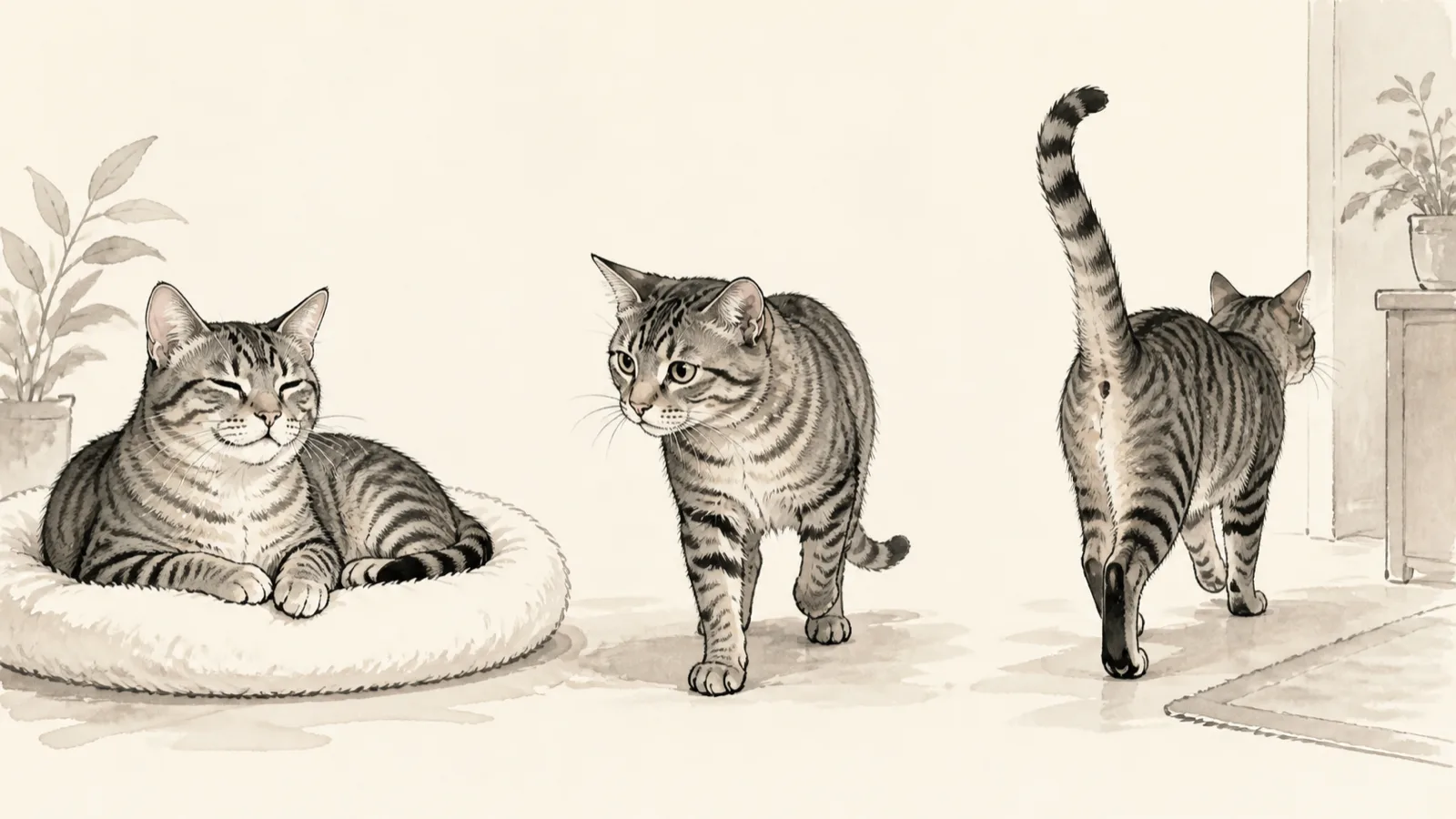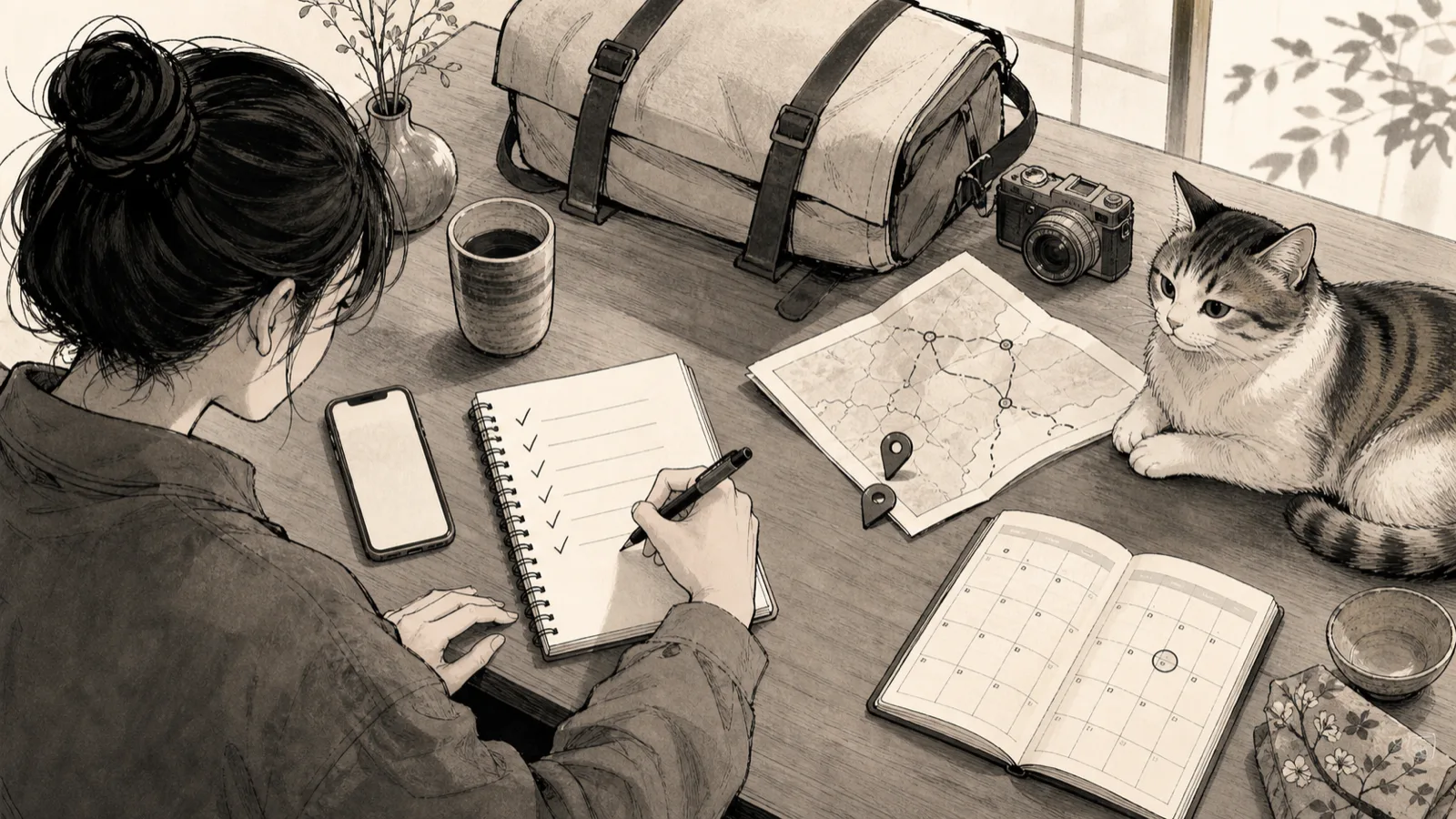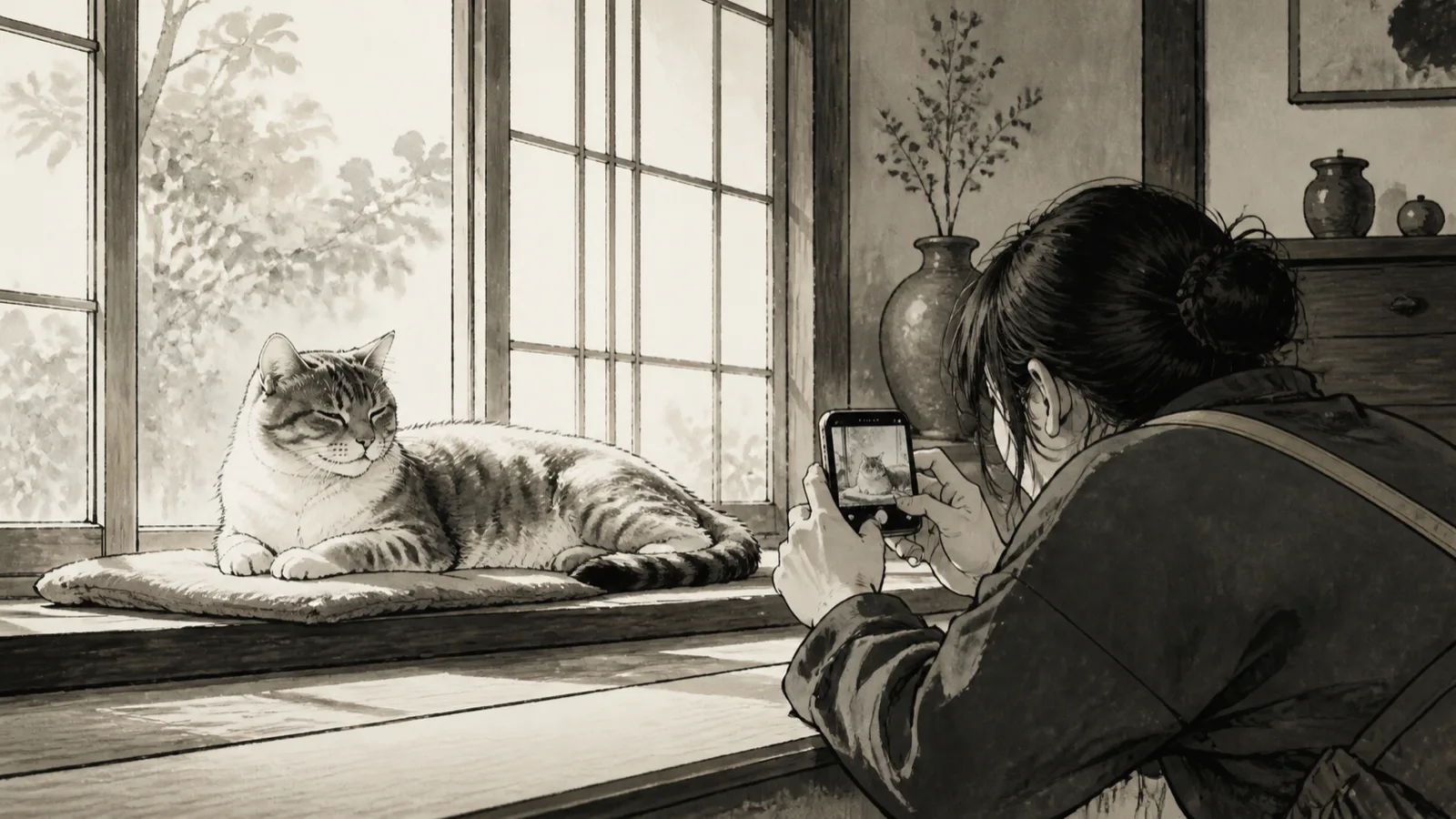
If you meet a resident cat at a cat inn, you’ll want to take a photo of it. However, a cat inn is not a photo studio, but a living space for the cats and a place for other guests to relax.
Good cat photos can be taken without having to turn the cat towards you or move it to the desired location. Checking the rules of the inn and taking advantage of the cat’s current location and natural light will create a piece that is more representative of the inn.
- First check if you can shoot
- Do not use flash or fill light
- Change the composition rather than approaching the cat
- Find a place with natural light
- Take a photo from the same height as the cat
- Use short bursts for moving cats
- Ask the inn staff before attracting the cat’s attention with sounds or toys
- Do not wake up a sleeping cat
- Do not take pictures of other guests and staff
- Check again before posting on SNS
- Check the shooting at Nekoyado by scene
- When providing photos to Neko Yado Research
- Summary
- Reference materials
First check if you can shoot
The presence of cats at an inn does not mean you may freely take and publish photos and videos.
Please check the following when checking in and before shooting.
- Can I take photos and videos of cats?
- Are there any places or times when you cannot take pictures?
- Can I post it on SNS or blogs?
- Can I write the inn name and cat’s name?
- Can I take photos where other guests are present?
- Do I need separate permissions for commercial use or media distribution?
Even if it is possible to take pictures, it may be best not to take pictures on those days, such as when the cat is recuperating, eating, or sleeping. Priority will be given to guidance on the day.
Do not use flash or fill light
At Nekoyado, turn off the flash on your camera or smartphone. There are some shooting facilities that have rules prohibiting the use of flash, and it is a basic consideration to avoid sudden strong light.
Your smartphone may be set to automatically use the flash in dark places. Before finding the cat, make sure the lightning bolt symbol on your camera screen is turned off.
Also check the AF assist light, shooting sound, and light during video shooting. If the cat reacts to recording sounds that cannot be muted, reduce the number of shots you take.
Change the composition rather than approaching the cat
If you keep getting close to get a close-up shot of the cat’s face, you may block the cat’s escape route. Choose ways to keep your distance, such as using your smartphone’s telephoto setting within reasonable limits, cropping the photo slightly afterward, or taking pictures of the cat and the inn together.
Even if the cat is small in the photo, if you include the tatami mats, hallways, windows, fireplace, garden of the inn, etc., the story of “the cat living in that inn” will remain.
End the photo session when the cat moves away from you. Do not move ahead to intercept the cat or peer into its hiding places.
Find a place with natural light
Soft light from a window makes it easier to photograph the cat’s fur without a flash. Instead of moving the cat to the window, wait for a moment when the cat is naturally by the window.
If the cat with its back to the window appears dark, tap the cat’s face on the smartphone screen and increase the brightness slightly. If you raise it too high, the white fur and the outside of the window will turn white, so check it one step at a time.
When inside the inn is dark, holding your smartphone with both hands and resting your elbows on a pillar or desk will help reduce camera shake. If the cat is moving, you can choose not to force yourself to take pictures in a dark place, but instead wait for the cat to come to a bright place.
Take a photo from the same height as the cat
Instead of just standing up and taking pictures from above, you can take pictures from a cat’s perspective by lowering yourself in a safe place. However, please do not lie down on the floor and block the aisle or interfere with the movement of others in the dining area.
Focusing on the cat’s eyes will make it easier to convey the expression. You do not need to make the cat face forward. The profile, back view, and sleeping figure are also photos that represent the cat’s daily life. Nikon’s Cat Photography Guide also teaches you how to focus on the eyes, natural light, where the cat is comfortable, and how to use different heights and angles.
Use short bursts for moving cats
If it is difficult to freeze a walking cat’s movement in a single photo, use continuous shooting or live photos on your smartphone for a short period of time. Instead of following the cat for tens of seconds, just take a picture of the cat passing by naturally.
You can save space by organizing similar photos after taking them and keeping only the one you need. This will also shorten the amount of time you have to keep pointing the camera at the cat.
Ask the inn staff before attracting the cat’s attention with sounds or toys
Clicking your tongue, calling the cat’s name over and over again, shaking the cat’s toys, and showing them treats can have an impact on the cat and other guests. Do not attract attention in ways that the inn staff does not approve of.
Treats and toys can cause fights, especially in areas where there are multiple cats. Don’t change the cat’s rest or routine just for the photo shoot.
Do not wake up a sleeping cat
Sleeping cats look relatively easy to photograph, but avoid touching them to make them look up, making noises, or putting the camera into their sleeping areas.
Take a photo or two from a distance, then increase the distance if the cat responds by moving its ears or body. Do not enter cat beds or restricted areas.
Do not take pictures of other guests and staff
When you focus on a cat, people’s faces, conversations, room numbers, names, car license plates, etc. may appear in the background. Check the background when taking photos, and get permission in advance if there are people in the photo.
Videos also record audio. Conversations can occur even when no one is on the screen, so be especially careful in shared spaces.
Information related to the safety of the inn, such as guest room keys, security equipment, and staff-only areas, will not be disclosed.
Check again before posting on SNS
Photography permission and publication permission may be different. Before posting on social media, please review the following:
- Are you writing unconfirmed information about cats or accommodation?
- Is it phrased like “guaranteed encounters with cats”?
- Are there any other guests or staff in the photo?
- Does it include locations or safety information that the inn has not made public?
- Does the handling of inn name, cat name, and location information comply with the rules?
When posting an example of a cat coming to the guest room, use expressions that make it clear that the cat came to play during this stay, rather than saying “it always comes.”
Check the shooting at Nekoyado by scene
This page is not a general guide to photographing domestic cats, but a general guide for when tourists visit an inn where cats live and take photographs. For your actual stay, please consider the common areas of the inn, other guests, and even the cat’s rest time when making your decision.
Detailed steps for each situation are divided into the following articles.
- Basics of taking pictures of resident cats with smartphones
- How to take a picture of a cat without blurring inside the inn in the dark
- How to choose the brightness and background of a black cat
- How to prevent white cat fur from blowing out
- How to take a picture of a moving resident cat without chasing it
- How to invite the cat’s gaze without forcing it
- How to take a picture of a sleeping cat without waking it
- Composition that preserves the atmosphere of the cat and the inn
- Precautions when other guests are reflected
- Check before posting photos of Nekoyado on SNS
All articles share the same criteria: don’t move the cat for the purpose of taking photos, don’t change the inn’s equipment for production purposes, and end the session when the cat leaves.
When providing photos to Neko Yado Research
Neko Yado Research is looking for photos of actual inns and resident cats for articles that use illustrative images. Before providing photos, please check that the person taking the photo has the rights, that the people shown have consented, and that providing the photos follows the inn’s photography and publication rules.
Photo submission form accepts information such as inn name, article URL, and shooting date. Acceptance of the submitted photos will be determined after confirmation, and not all photos will be posted.
Summary
Photographing at a cat inn is not about moving the cat to an ideal state, but rather recording the place and time the cat has chosen.
Check for permission to take pictures, turn off the flash, keep your distance, don’t take pictures of people, and end when the cat leaves. Just by following these five points, you can reduce the burden on cats and guests.
For information on how to approach cats, please see How to interact with cats in a cat inn, and for information on preparing for the entire trip, please also see Beginner’s Guide to Cat Inns.
Reference materials
- Nikon: Cat Photography—Capturing Cats in Pictures
- Nikon: Taking Better Pictures of Animals at the Zoo
- Cats Protection: How to pet a cat
- Cat Cafe Hinatabokko/Requests when using
Note: The availability of filming and publication varies by facility. Please give priority to the inn’s on-site instructions and the cat’s rest rather than taking photos according to this article.